

Tattoo Cover-Ups in Arlington, Texas
Home of The Emperor of Tattoo Cover-Ups™
Over a Quarter Century of Advanced Tattoo Transformations
⭐ Trusted by Clients Across Texas, the United States & Internationally
For over a quarter century, Pistol Pete has specialized in advanced tattoo cover-ups that transform unwanted tattoos into intentional, museum-quality artwork. Based in Arlington, Texas, clients travel from across DFW, throughout the United States, and internationally for custom tattoo transformations engineered for long-term success.
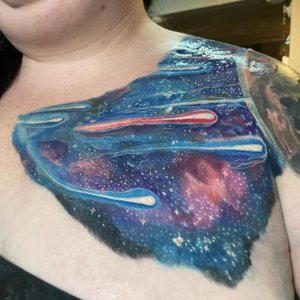
Why Clients Travel to Pistol Pete for Tattoo Cover-Ups
Tattoo cover-ups are among the most technically demanding disciplines in tattooing. Every existing tattoo presents a unique challenge involving ink saturation, skin condition, color theory, placement, and long-term aging. Successfully transforming an unwanted tattoo requires far more than simply placing darker ink over old ink—it requires experience, planning, and artistic strategy.
For over a quarter century, Pistol Pete has built a reputation for solving complex tattoo cover-ups that many artists decline. Clients travel from across Texas, throughout the United States, and internationally because they want more than a cover-up—they want a transformation designed to look intentional for decades to come.
Why Clients Choose Pistol Pete
✔ Over a Quarter Century of Tattoo Experience
✔ Advanced Tattoo Cover-Up Specialist
✔ Custom Designs Built for Each Individual Tattoo
✔ Clients Travel Nationwide & Internationally
✔ Award-Winning Artist
✔ Clean, Licensed, Health-Department Approved Studios
✔ Museum-Quality Artwork Designed to Last
✔ Every Consultation Personally Conducted by Pistol Pete
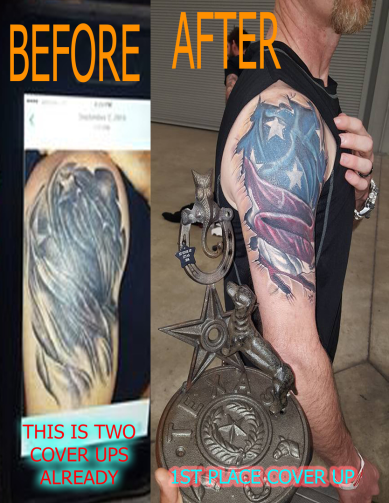
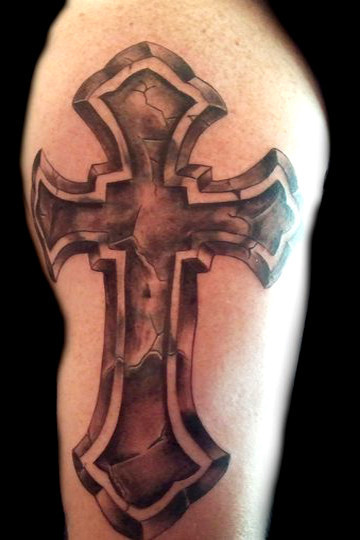
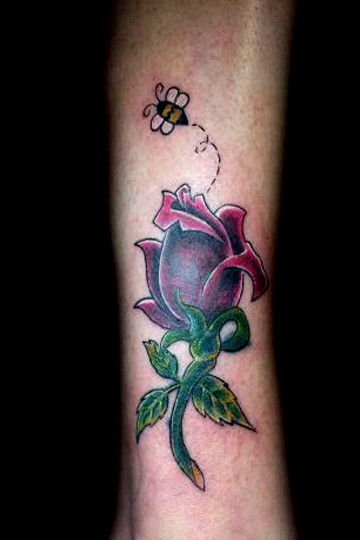
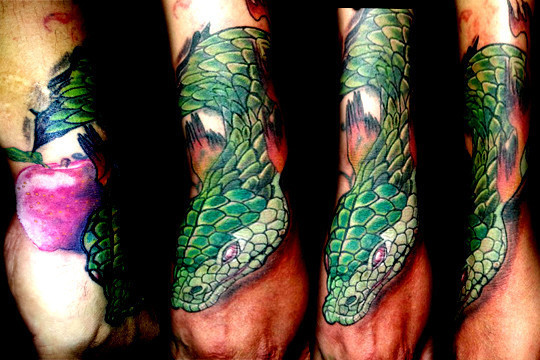
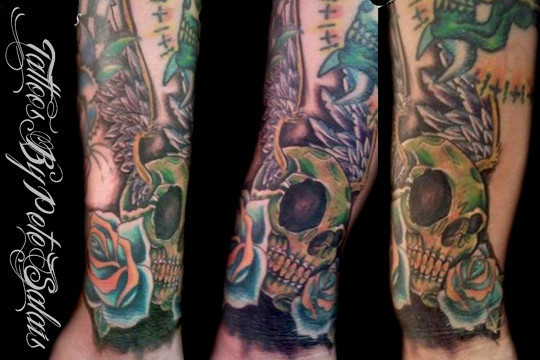
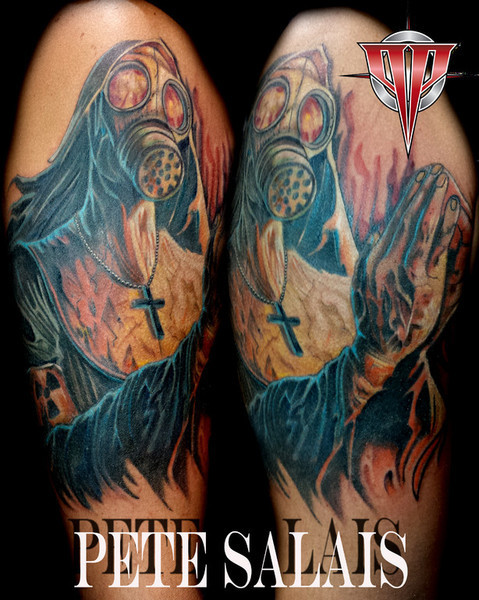
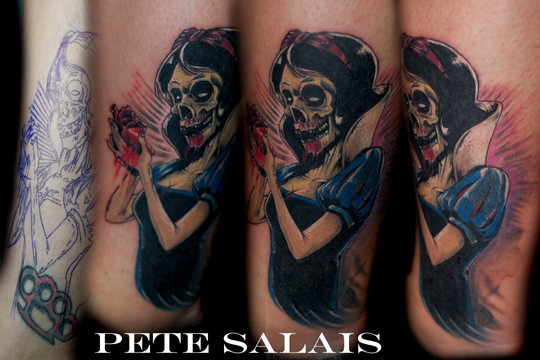
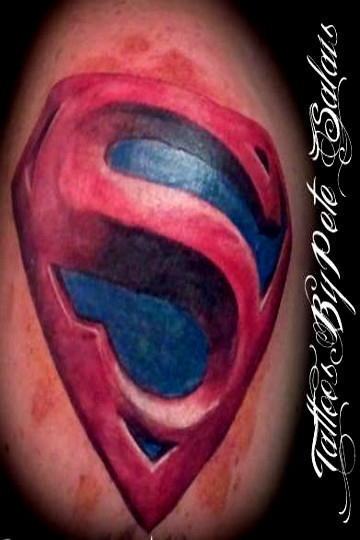
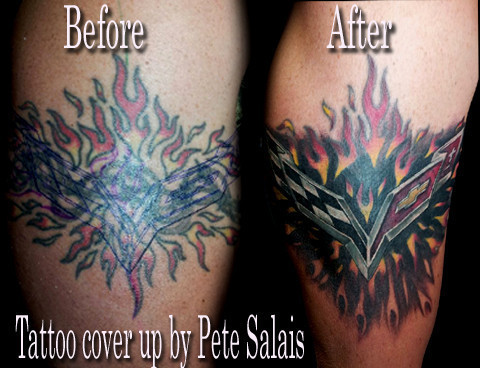
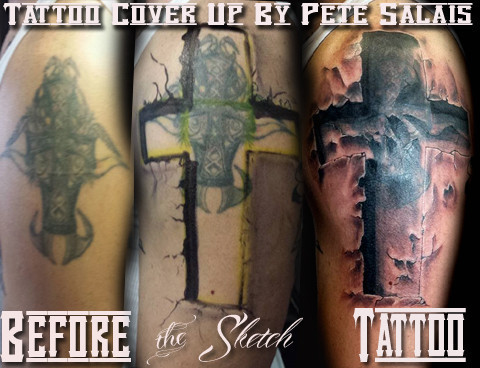
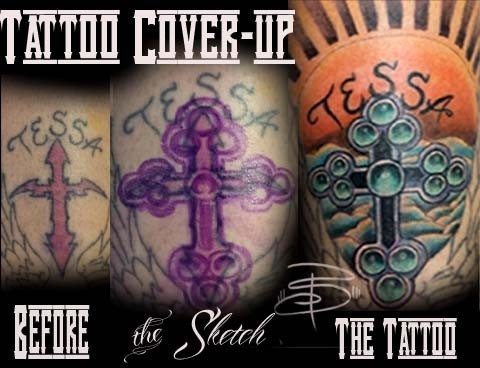
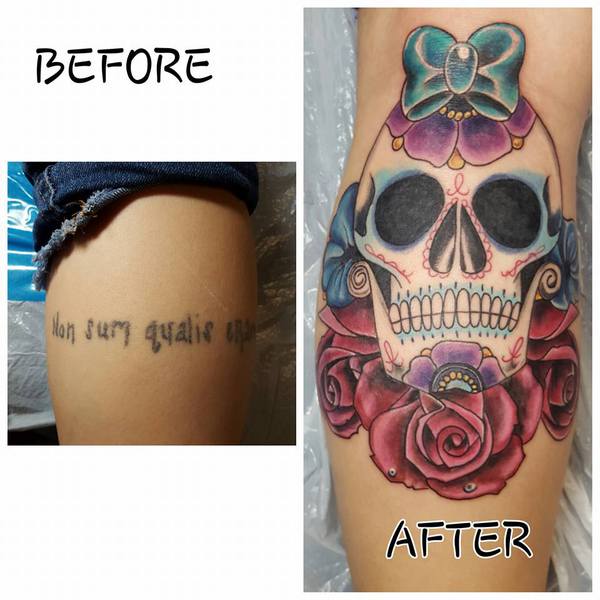
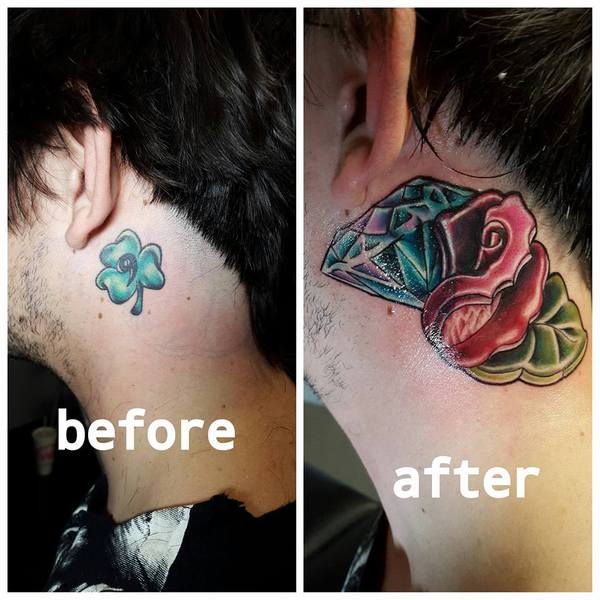
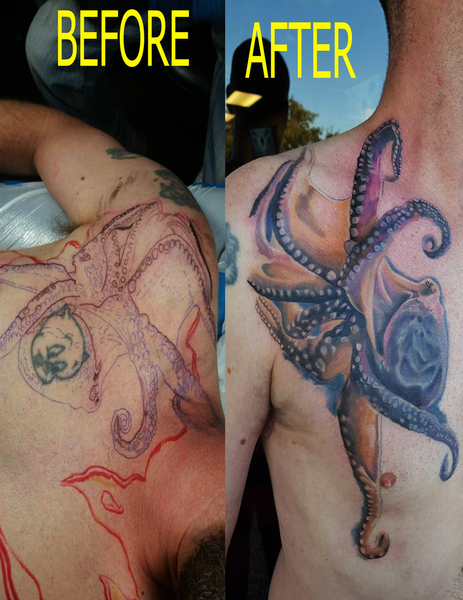
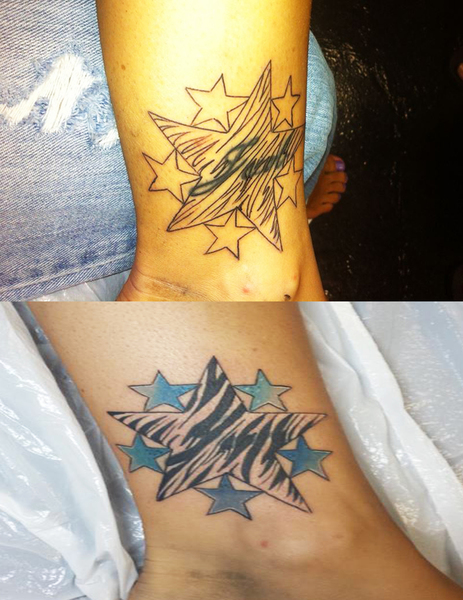
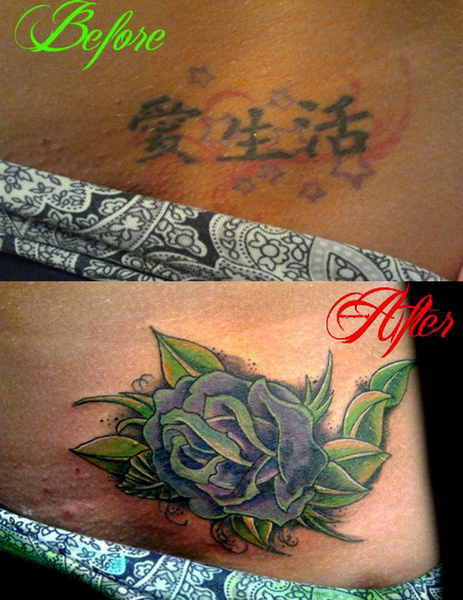
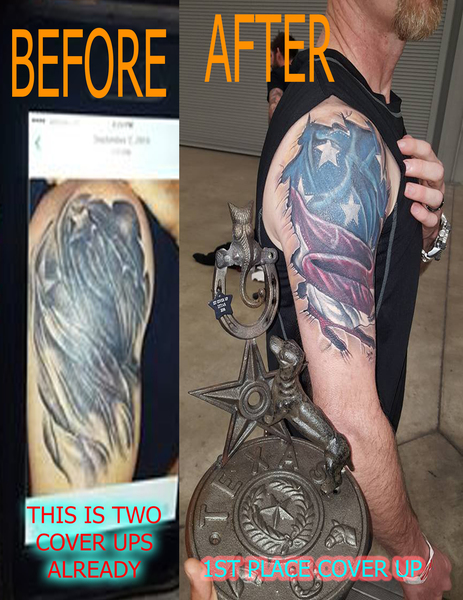
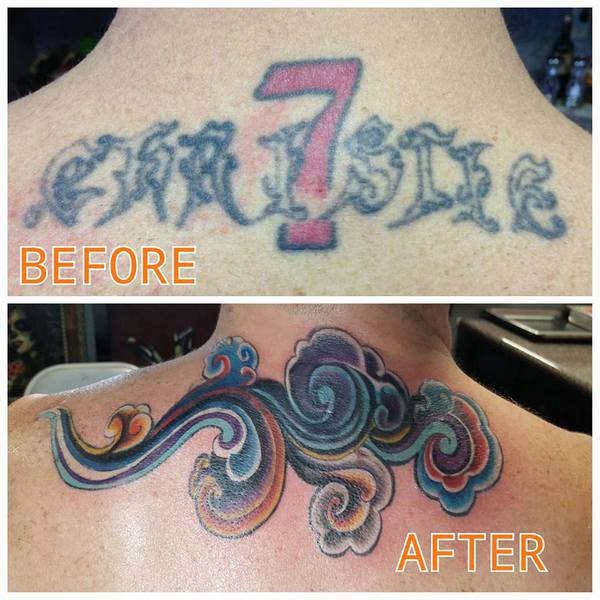
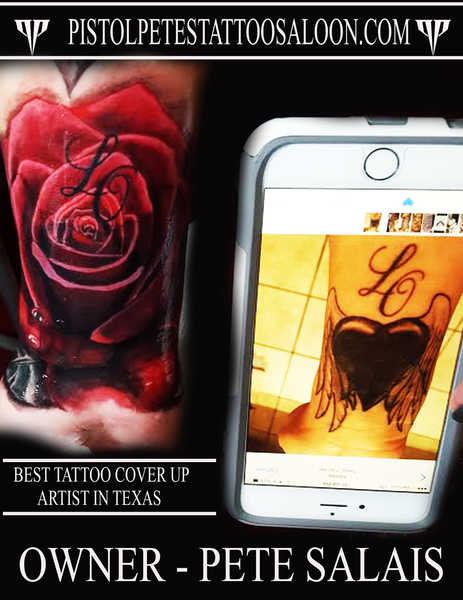
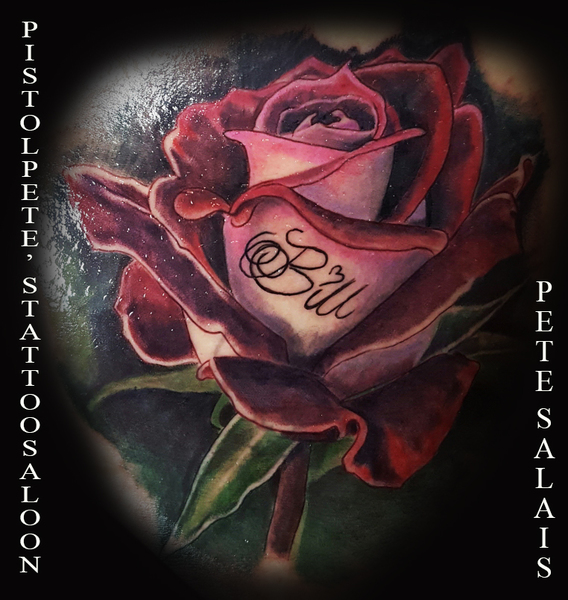
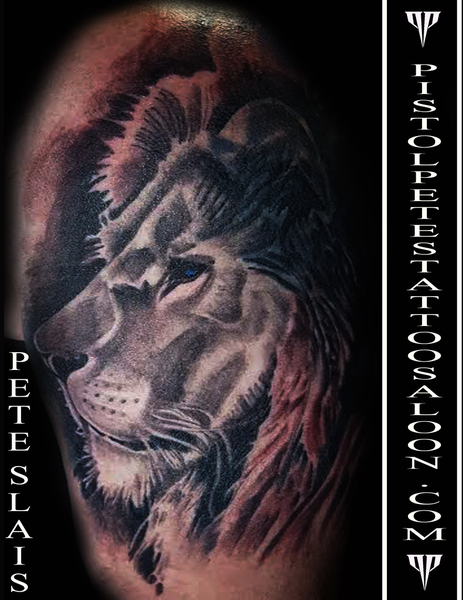
Before & After Tattoo Cover-Up Gallery
Every tattoo tells a story—but not every story begins the way you hoped. Browse real before-and-after tattoo transformations completed by Pistol Pete and see how unwanted ink becomes intentional artwork through careful planning, artistic vision, and advanced tattoo cover-up techniques.
Each project is approached individually. No templates. No shortcuts. No one-size-fits-all solutions.

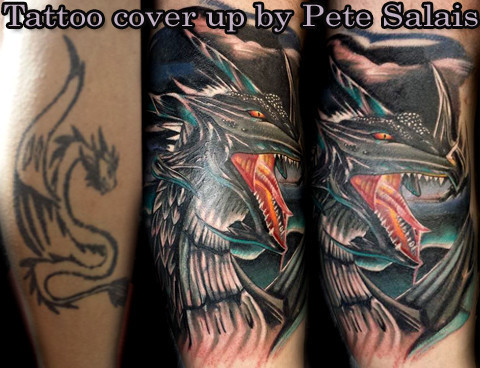
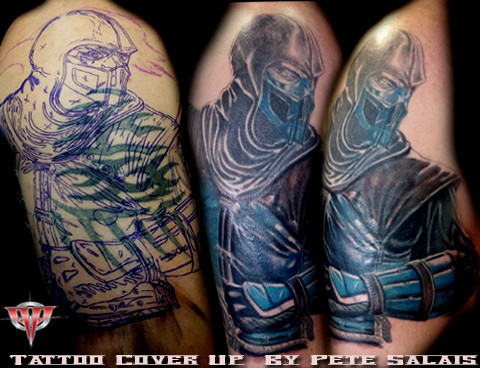
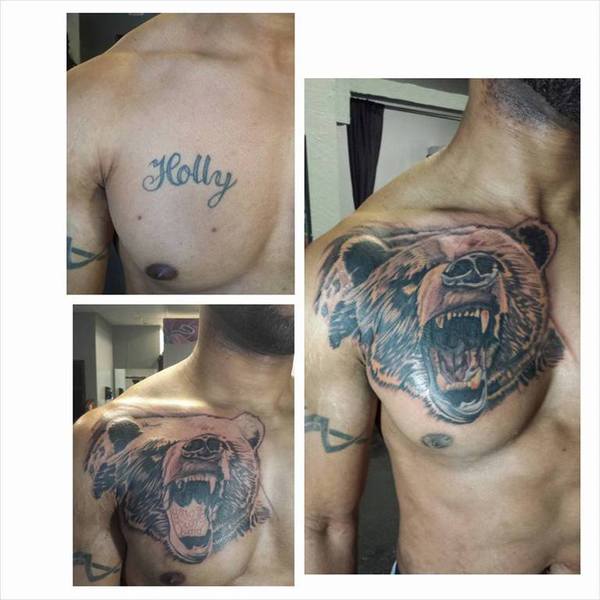
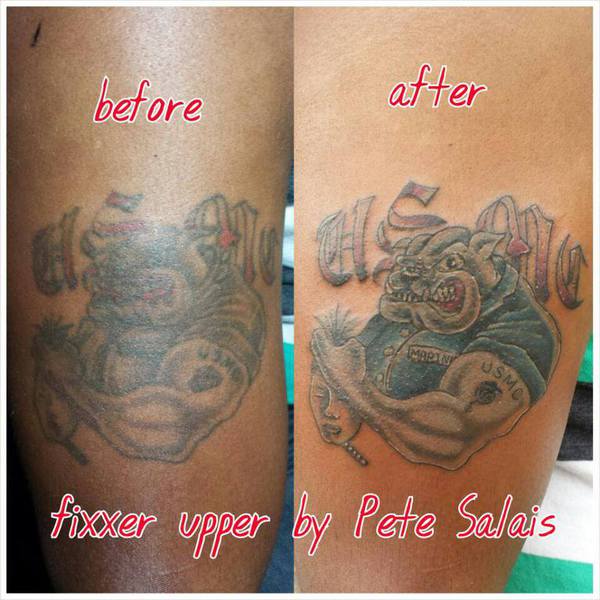



What Makes Tattoo Cover-Ups Different?
- Tattoo cover-ups are fundamentally different from creating a tattoo on blank skin. Every existing tattoo creates limitations that must be carefully evaluated before a single new line is placed. Successful cover-ups require balancing artistic creativity with technical precision to produce a result that looks intentional—not simply hidden.
- Unlike a brand-new tattoo, a cover-up must account for existing ink density, pigment color, tattoo placement, skin quality, scar tissue, healing history, and how the finished tattoo will continue to age over time.
- That is why advanced tattoo cover-ups require significantly more planning than standard tattoo work.
Ink Density Matters
- One of the biggest misconceptions about tattoo cover-ups is that a new tattoo simply covers the old one. In reality, the original tattoo never disappears. The existing pigment remains in the skin and becomes part of the foundation that every new design must work with.
- The darker and more saturated the original tattoo is, the fewer design options are available. Heavy black ink absorbs light differently than untouched skin, making it impossible to simply place lighter colors over it and expect them to remain bright. Instead, successful cover-ups require careful planning that incorporates the existing ink into a completely new composition.
- Tattoo cover-ups are not about making old ink vanish—they are about redirecting the viewer's eye. Through strategic placement, value contrast, texture, movement, and carefully engineered design, the original tattoo becomes visually integrated into the new artwork rather than remaining the focal point.
- This is why every tattoo is evaluated individually. Ink density, age, pigment quality, previous touch-ups, and healing history all determine what can realistically be accomplished. Two tattoos that appear similar at first glance may require completely different cover-up strategies once the underlying saturation is analyzed.
- At Pistol Pete's Tattoo Saloon, every cover-up begins with a detailed assessment of the existing tattoo before the design process ever starts. Rather than forcing the same solution onto every client, each transformation is engineered around the unique characteristics of the tattoo already in the skin, producing artwork that appears intentional—not simply covered.
Skin Quality Matters
The condition of your skin is just as important as the tattoo itself. Before designing a successful tattoo cover-up, every client's skin must be carefully evaluated because healthy skin behaves very differently than skin that has been heavily worked, scarred, stretched, or previously tattooed multiple times.
Even two tattoos that appear nearly identical may require completely different cover-up strategies once the condition of the skin is examined. Understanding how your skin has healed over time allows Pistol Pete to design artwork that not only looks exceptional today but continues to heal, settle, and age beautifully for years to come.
Scar Tissue Changes Everything
Scar tissue behaves differently than untouched skin. Previous injuries, heavy-handed tattooing, cover-up attempts, or trauma can change the texture, elasticity, and ability of the skin to accept new pigment.
Tattooing over scar tissue requires patience, experience, and careful technique. Depending on the severity and maturity of the scar, ink may settle differently, heal differently, or require adjustments during the design process. Rather than forcing a design onto damaged skin, every cover-up is planned around the skin's condition to achieve the strongest possible long-term result.
Healing History Matters
Every person's skin heals differently.
Previous healing complications, excessive sun exposure, poor aftercare, or repeated tattoo work can all influence how a tattoo cover-up performs over time. The way your current tattoo healed often provides valuable information about how your new tattoo is likely to heal as well.
This is why the consultation process is so important. Evaluating healed skin allows potential challenges to be identified before the tattooing process begins, reducing unnecessary surprises and improving the final outcome.
Previous Tattoo Work Matters
Many clients seeking a tattoo cover-up have already undergone multiple tattoo sessions, touch-ups, or even failed cover-up attempts. Each additional layer of pigment changes the skin and limits future design possibilities.
Multiple tattoo sessions often create increased ink saturation, making strategic planning even more important. Instead of simply adding darker ink, successful cover-ups require carefully balancing the existing tattoo with the new design so the finished artwork appears natural, cohesive, and intentionally created.
Every previous tattoo tells part of the story. Understanding that history allows a better plan to be developed for the future.
Blowouts Require a Different Strategy
A tattoo blowout occurs when pigment spreads beneath the skin outside the intended lines, creating blurry edges or a soft shadow around the tattoo. Blowouts cannot simply be erased or covered with additional outlines.
Instead, they must be incorporated into the overall design strategy. Depending on the severity, placement, and amount of pigment migration, the new artwork may need additional texture, shading, movement, or compositional changes to visually eliminate the distraction caused by the blowout.
Recognizing blowouts during the consultation stage allows realistic expectations to be established and ensures the cover-up design works with the skin rather than against it.
Every Client's Skin Is Different
No two clients heal the same, and no two cover-ups should ever be approached the same way. Skin tone, age, elasticity, previous tattoo work, sun exposure, scar tissue, and healing history all influence how a tattoo cover-up should be designed.
At Pistol Pete's Tattoo Saloon, every cover-up begins with a comprehensive evaluation of both the existing tattoo and the skin beneath it. This personalized approach allows each transformation to be engineered around the individual client, producing artwork that looks intentional, heals properly, and stands the test of time.
Color Theory Matters
Many people assume that a tattoo cover-up simply involves placing new ink over old ink. In reality, successful cover-ups rely heavily on color theory—the science of how colors interact with one another beneath the skin.
Unlike paint on a canvas, tattoo pigment is permanently embedded within living skin. Existing ink doesn't disappear when a new tattoo is applied. Instead, the original pigment continues to influence how new colors appear after healing. Understanding these interactions is one of the most important aspects of designing a successful tattoo cover-up.
Dark Ink Doesn't Simply Disappear
One of the most common misconceptions is that light-colored ink can completely hide dark black tattoos. Unfortunately, tattoo pigments don't work that way.
Black ink remains one of the strongest pigments in tattooing and continues to influence everything placed over it. Attempting to cover heavily saturated black ink with lighter colors alone often results in muddy tones, poor contrast, and disappointing long-term results.
Instead of trying to fight the existing tattoo, successful cover-ups strategically work with it by incorporating darker values, texture, contrast, and intelligent composition into the new design.
Color Selection Is Strategic
Every tattoo cover-up begins with choosing colors that complement—not compete with—the existing tattoo.
Certain colors naturally perform better over faded tattoos, while heavily saturated tattoos often require deeper tones and stronger value transitions to create believable artwork. Rather than selecting colors based only on appearance, every palette is chosen according to how it will heal, age, and interact with the existing pigment beneath the skin.
The goal isn't simply to make the old tattoo harder to see—it's to create a finished piece that looks intentional from every angle.
Contrast Creates the Illusion of Disappearance
One of the most powerful tools in tattoo cover-ups isn't color alone—it's contrast.
Strategic highlights, shadows, texture, depth, and movement naturally guide the eye toward the new artwork while drawing attention away from the original tattoo underneath.
This visual redirection allows the existing tattoo to become part of the overall composition instead of remaining the focal point. When properly designed, viewers notice the artwork—not the tattoo that came before it.
Every Color Ages Differently
A tattoo isn't judged the day it's finished.
It's judged years later.
Different pigments fade at different rates, which is why long-term planning is essential when designing a tattoo cover-up. Colors that initially appear vibrant may soften over time, while darker pigments often remain more dominant.
Every cover-up designed by Pistol Pete considers not only how the tattoo will look immediately after healing, but how it will continue to mature over the coming years. Planning for longevity is just as important as creating an impressive first impression.
Color Theory Is Only One Part of the Strategy
Although color plays a critical role in tattoo cover-ups, it is never the only solution.
Successful transformations combine color theory with proper tattoo placement, body flow, composition, shading, texture, movement, and artistic balance. Every one of these elements works together to create artwork that appears natural rather than forced.
This comprehensive planning process is what separates an advanced tattoo cover-up from simply placing darker ink over an old tattoo.
Great Cover-Ups Are Designed—Not Hidden
The objective of a professional tattoo cover-up isn't to camouflage an old tattoo with more ink.
The objective is to create artwork so intentional, balanced, and visually compelling that the original tattoo becomes part of a completely new story.
At Pistol Pete's Tattoo Saloon, every cover-up is custom engineered using artistic design principles, color theory, and decades of experience to produce transformations that are built to last—not temporary solutions that require future corrections.
Design Strategy Matters
Every successful tattoo cover-up begins long before the tattoo machine ever touches the skin. The difference between an average cover-up and a world-class transformation isn't simply technical ability—it's design strategy.
A professional tattoo cover-up isn't created by asking, "How do we hide this tattoo?"
It begins by asking a much more important question:
"How do we create artwork so strong that no one notices what came before it?"
Every design decision is made with that objective in mind.
Every Tattoo Has Different Limitations
No two tattoo cover-ups are ever the same.
The size of the original tattoo, the amount of existing ink, skin condition, placement on the body, previous touch-ups, and natural body movement all influence how a new design must be built.
Rather than forcing every client into the same style or template, every cover-up is individually engineered around the tattoo that's already there. This allows the finished artwork to appear natural, balanced, and intentionally designed instead of looking like an obvious correction.
Body Flow Is Everything
Great tattoos don't simply fit the skin—they complement the body's natural shape.
Muscle movement, bone structure, curves, and body proportions all influence how a tattoo is perceived. A successful cover-up should move naturally with the body instead of fighting against it.
By designing around the body's anatomy, the finished tattoo gains better balance, stronger visual impact, and a more natural appearance from every angle.
The artwork should look like it was always meant to be there.
Composition Creates Believability
Composition is the blueprint of every successful tattoo cover-up.
Every element—including focal points, shading, negative space, textures, and supporting details—must work together to direct the viewer's attention exactly where it belongs.
Rather than trying to overwhelm the old tattoo with excessive darkness, strategic composition creates visual balance that naturally draws the eye toward the new artwork while allowing the previous tattoo to disappear into the overall design.
Good composition doesn't hide tattoos.
It replaces them.
Focal Points Control What People See
Every successful tattoo has a focal point.
Without one, the eye naturally drifts back toward the original tattoo underneath.
Professional cover-up designs intentionally create areas of emphasis that immediately attract attention. Strong contrast, carefully placed detail, flowing movement, and visual hierarchy guide the viewer through the artwork, allowing the old tattoo to become secondary instead of dominant.
People remember what captures their attention first.
That's why every design begins by deciding exactly where that attention should go.
Negative Space Is Just As Important As Ink
Many people believe successful tattoo cover-ups require adding as much ink as possible.
The opposite is often true.
Strategic use of negative space allows the artwork to breathe, creates stronger contrast, improves readability, and enhances the overall composition.
Knowing where not to tattoo is often just as important as knowing where to tattoo.
Every line placed on the skin should serve a purpose.
Balance Creates Long-Term Success
A tattoo cover-up isn't judged the day it's completed.
It's judged years later.
Design balance ensures the artwork continues looking intentional as the tattoo naturally settles, softens, and ages over time.
Instead of chasing short-term visual impact, every composition is built for long-term stability so the artwork remains strong, readable, and visually appealing for decades.
This philosophy allows clients to leave with more than a cover-up.
They leave with artwork designed to stand the test of time.
Every Cover-Up Is Custom Engineered
There are no templates for advanced tattoo cover-ups.
Every transformation begins with studying the existing tattoo, evaluating the skin, understanding the client's goals, and developing a completely custom strategy before the tattooing process begins.
At Pistol Pete's Tattoo Saloon, no two cover-ups are approached the same way because no two tattoos present the same challenges.
Every design is built from the ground up to transform unwanted ink into intentional, museum-quality artwork that looks original—not covered.
The Pistol Pete Cover-Up Process
- Every tattoo cover-up follows a proven process developed through over a quarter century of experience. Rather than rushing into a design, every project begins with careful evaluation, strategic planning, and honest expectations.
- A successful cover-up isn't created in a single appointment—it begins long before the first drop of ink touches the skin.
- The goal isn't simply to hide an unwanted tattoo.
- The goal is to create artwork so intentional that it becomes impossible to imagine the old tattoo underneath.
Step 1 — Consultation & Evaluation
- Every transformation begins with an in-person consultation.
- During this appointment, Pistol Pete carefully evaluates the existing tattoo, skin condition, previous work, scar tissue, placement, and your long-term goals.
- This conversation establishes realistic expectations while determining whether your tattoo is an ideal candidate for a cover-up or whether another approach, such as lightening sessions, may produce a stronger long-term result.
- Honesty always comes before tattooing.
Step 2 — Tattoo Analysis
No two tattoos present the same challenge.
The existing tattoo is analyzed for:
• Ink saturation
• Pigment density
• Previous cover-up attempts
• Blowouts
• Color balance
• Overall structure
Understanding exactly what already exists beneath the skin determines what is realistically possible and helps guide every design decision moving forward.
Step 3 — Strategic Design Planning
- This is where engineering replaces guesswork.
- Rather than simply drawing over the existing tattoo, every design is custom-built around the tattoo that's already there.
- Body flow...
- Movement...
- Contrast...
- Composition...
- Negative space...
- Focal points...
- Every artistic decision works together to naturally redirect the eye away from the old tattoo and toward the new artwork.
- Nothing is random.
- Everything has a purpose.
Step 4 — Custom Artwork Development
- Every cover-up design is created specifically for the individual client.
- There are no templates.
- No stock artwork.
- No copy-and-paste designs.
- Your lifestyle, personal story, body shape, existing tattoo, and long-term vision all influence the final artwork.
- The finished design should look like it was created first—not like it was built to hide something underneath.
Step 5 — Precision Tattoo Application
- Once the design is finalized, the tattooing process begins.
- Every line, shade, texture, and transition is placed with long-term healing in mind.
- Instead of overwhelming the existing tattoo with unnecessary darkness, strategic layering creates depth, movement, and balance while allowing the old tattoo to visually disappear into the new composition.
- Patience produces better tattoos.
Step 6 — Healing & Aftercare
- A successful tattoo doesn't end when the appointment is over.
- Proper aftercare plays a critical role in protecting your investment and ensuring the tattoo heals as intended.
- Every client receives detailed aftercare instructions designed to promote proper healing, preserve detail, and maximize long-term results.
- Healing is part of the process—not an afterthought.
Step 7 — Final Evaluation
- Once your tattoo has fully healed, the transformation is evaluated to ensure the artwork has settled properly.
- If minor refinements are appropriate, they can be discussed during the healing review.
- The objective is never simply to finish the tattoo.
- The objective is to finish it correctly.
Step 8 — Artwork Built for Life
- A tattoo cover-up isn't successful because it looks good today.
- It's successful because it continues looking intentional years from now.
- Every transformation completed by Pistol Pete is designed with long-term aging, body movement, composition, and future readability in mind.
- The result isn't simply a cover-up.
- It's a completely new chapter.
- One you'll be proud to wear for the rest of your life.
Ready to Begin Your Transformation?
Every tattoo tells a story—but not every story has to end the way it began.
If you're ready to leave behind unwanted ink and invest in artwork designed specifically for you, schedule a consultation with Pistol Pete today.
Types of Tattoo Cover-Ups We Specialize In
- Every tattoo presents a unique challenge. No two cover-ups require the same strategy, which is why every transformation at Pistol Pete's Tattoo Saloon is individually engineered around the existing tattoo, the condition of the skin, and your long-term goals. Below are some of the advanced tattoo cover-up services we specialize in for clients throughout Arlington, DFW, and beyond.
Name Tattoo Cover-Ups
- Name tattoos are among the most requested tattoo cover-ups. Whether the name represents a past relationship, outdated memory, or simply artwork that no longer reflects your life, the goal isn't just to hide the lettering—it's to create a completely new piece that feels intentional. Every name cover-up is carefully designed using custom artwork, strategic composition, and styles such as realism, black & grey, floral elements, wildlife, geometric designs, and custom illustration to completely transform the original tattoo.
Blackout Tattoo Cover-Ups
- Blackout tattoos present some of the most complex challenges in tattooing due to heavy pigment saturation and limited design flexibility. Every blackout project requires careful evaluation to determine whether the existing tattoo can be redesigned through advanced cover-up techniques, strategic layering, blast-over concepts, or whether additional preparation may produce a stronger long-term result. Every recommendation is based on what creates the best outcome—not simply the fastest solution.
Failed Tattoo Cover-Ups
-
Some clients aren't covering their original tattoo—they're covering a failed cover-up. These projects often involve excessive darkness, muddy shading, poor planning, and multiple layers of existing ink. Rather than adding even more pigment without direction, every failed cover-up is analyzed from the beginning to develop a completely new strategy that restores balance, readability, and artistic purpose.
Scar Tattoo Cover-Ups
- Scar tissue requires a completely different approach than healthy skin. Surgical scars, burn scars, mature scars, and other healed areas all respond differently during tattooing. Every scar cover-up begins with evaluating the maturity, texture, and condition of the skin before determining whether tattooing is appropriate and what design will produce the strongest long-term result.
Sleeve Tattoo Cover-Ups
- Sleeve cover-ups involve more than covering individual tattoos—they require rebuilding the visual flow of the entire arm. Whether correcting multiple unrelated tattoos or redesigning an existing sleeve, every project focuses on composition, movement, balance, and body flow to create artwork that appears cohesive from shoulder to wrist.
Portrait Tattoo Cover-Ups
- Portrait tattoos are among the most technically demanding tattoos to cover because facial features naturally draw attention. Whether correcting a poorly executed portrait or redesigning an outdated memorial tattoo, every transformation is carefully planned to preserve realism while creating artwork that feels completely intentional.
Color Correction Tattoo Cover-Ups
- Not every tattoo requires complete replacement. Some tattoos simply need better color balance, stronger contrast, or improved saturation. Color correction focuses on restoring vibrancy, correcting muddy pigments, and using advanced color theory to breathe new life into older tattoos while preserving the original concept whenever possible.
Tattoo Reworks
- A tattoo rework enhances existing artwork rather than replacing it. By refining linework, improving shading, increasing contrast, and modernizing outdated designs, many tattoos can be transformed without requiring a complete cover-up. Every rework is customized to preserve what works while improving what doesn't.
Cover-Up vs. Tattoo Rework
- Not every unwanted tattoo requires a full cover-up. In many cases, a professionally planned rework provides a better long-term solution by enhancing the original design rather than concealing it entirely. During every consultation, Pistol Pete evaluates your tattoo to determine whether a complete cover-up or a strategic rework will produce the strongest possible result.
Can Every Tattoo Be Covered?
- Not every tattoo can—or should—be covered. Factors such as ink density, color saturation, scar tissue, placement, tattoo size, previous cover-up attempts, and overall skin condition all influence what is realistically possible. During your consultation, Pistol Pete provides honest recommendations based on decades of experience, ensuring every client understands the best path toward a successful long-term transformation.
Do I Need Laser Tattoo Removal Before a Tattoo Cover-Up?
- Laser tattoo removal can be an effective option in certain situations, particularly when a tattoo is extremely dark, heavily saturated, or has limited design possibilities. However, laser treatment isn't always the best first choice.
- Many clients come to Pistol Pete's Tattoo Saloon looking for an alternative that allows them to transform unwanted ink into artwork they can enjoy without spending months—or even years—undergoing multiple laser sessions.
- Whenever possible, Pistol Pete prefers to preserve the integrity of the skin by designing a strategic tattoo cover-up rather than relying on unnecessary laser treatments. Through advanced planning, color theory, composition, and custom design, many tattoos can be successfully transformed without laser removal.
- In situations where a tattoo is too heavily saturated or previous work has significantly limited design options, Pistol Pete will discuss whether partial lightening may improve the final result. Every recommendation is made with one goal in mind: creating the strongest long-term tattoo possible.
- The objective is never to sell laser treatment or avoid it entirely. The objective is to choose the approach that gives you the best opportunity for a successful, long-lasting transformation.
- "Whenever a successful cover-up can be achieved without laser removal, that will always be my preferred approach."
Why Tattoo Cover-Ups Fail
- Most unsuccessful tattoo cover-ups fail long before the tattoo machine starts. Poor planning, rushed decisions, excessive ink saturation, weak composition, limited understanding of color theory, and lack of experience often result in tattoos that become darker, heavier, and even more difficult to correct. Every successful cover-up begins with strategy—not guesswork.
Tattoo Cover-Up FAQ
- Choosing the right tattoo cover-up involves many important questions. This section answers the topics clients ask most often, including whether every tattoo can be covered, how consultations work, expected healing times, laser removal considerations, pricing, appointment preparation, aftercare, and what determines whether a tattoo is a good candidate for transformation.
Meet Pistol Pete
- For over a quarter century, Pistol Pete has dedicated his career to transforming unwanted tattoos into intentional works of art. Known as The Emperor of Tattoo Cover-Ups™, he has built a reputation for solving complex tattoo challenges that many artists decline. Clients travel from across Texas, throughout the United States, and internationally for his custom-engineered approach, combining artistic vision, technical precision, and long-term design strategy to create transformations built to last.
What Clients Say
- Nothing demonstrates the quality of a tattoo cover-up better than the experiences of real clients. Read reviews from individuals across Arlington, the DFW Metroplex, throughout Texas, and beyond who trusted Pistol Pete to transform tattoos they once regretted into artwork they are proud to wear for life.
Ready to Transform Your Tattoo?
- Every tattoo tells a story—but not every story has to end the way it began. Whether you're covering an old name, correcting a failed tattoo, rebuilding an entire sleeve, or creating a fresh start through custom artwork, Pistol Pete is ready to help you begin your transformation. Schedule your consultation today and discover why clients from across Texas and around the world trust The Emperor of Tattoo Cover-Ups™ for advanced tattoo transformations built to last.
 Print
Print